
Peachtree City HOA Fees, Rules, and What They Cover
December 4, 2025
December 4, 2025
Wondering what HOA fees and rules look like in Peachtree City? If you love the cart-path lifestyle, community pools, and well-kept neighborhoods, you will likely consider homes that sit inside homeowners associations. The details matter. Fees and covenants can vary widely by neighborhood and property type.
In this guide, you will learn how HOAs are set up in Peachtree City, what typical fees cover, the most common rules, and the documents to review before you buy. You will also get a clear checklist to avoid surprise costs and delays. Let’s dive in.
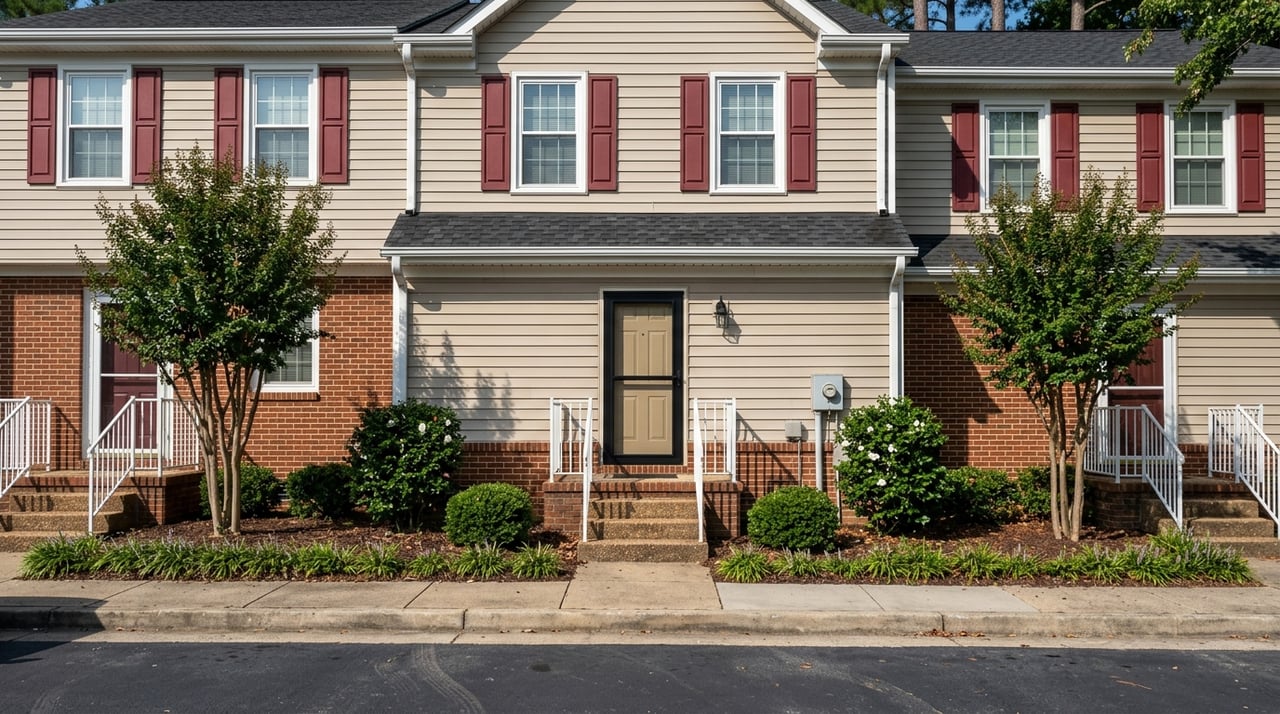
Peachtree City includes a mix of master associations and smaller neighborhood associations. Some properties belong to both, which means you may pay dues to two associations. Condo and townhome communities have their own associations as well.
What each HOA covers depends on the community. Master associations often manage larger amenities like pools, clubhouses, gated entries, paths, or golf-related common areas. Neighborhood associations tend to handle entry landscaping, signage, lighting, and local architectural review. Condo and townhome associations usually cover common-area maintenance, exterior building elements, and shared insurance.
If you are comparing two homes in different neighborhoods, look beyond the price. The structure of the HOA and the amenities in the budget will drive what you pay and what rules you follow.
HOA fees reflect the cost to operate and insure the community. Expect dues to be higher when amenities and services are more robust. Common cost drivers include:
In Peachtree City, the golf-cart and multi-use path system is a signature lifestyle feature. Some paths are city maintained, while others may be maintained by nearby HOAs. That distinction can affect dues.
Every association sets its own budget, so treat these numbers as general guidance. Always verify fees, billing schedules, and inclusions for the specific property you are buying.
Billing can be annual, quarterly, or monthly. A monthly condo fee that includes exterior insurance and some utilities can look high at first glance, but it may replace costs you would otherwise pay out of pocket.
Most communities follow covenants, conditions, and restrictions that set standards for the neighborhood. They are meant to protect property values and manage shared spaces. Here is what you can expect.
Before you paint, add a fence, replace a roof, or build a screened porch, you will likely need approval from the Architectural Review Committee. Typical applications include a form, site plan or survey, drawings or photos, and color or material samples. Review timelines vary by HOA and often range from about two weeks to two months. Plan your closing and contractor schedules with this review in mind.
Many HOAs set rules for on-street parking, storage of boats or RVs, and commercial vehicles. Rental policies can include short-term rental limits or caps on the share of homes that may be leased. Some communities also set pet rules, such as limits on number or size. Always review the current rules rather than relying on general assumptions.
Most associations follow written processes that include notice of a violation, time to correct, fines if needed, and legal action for persistent issues. Associations also have rights to pursue unpaid assessments, including liens. Check for any existing liens or unpaid dues on the property before you close.
Peachtree City is known for its golf-cart and multi-use paths that connect neighborhoods to shopping, parks, and schools. Many buyers choose this area for that lifestyle. Pools, clubhouses, play areas, and gated entries are common as well.
Amenities shape both your monthly costs and your day-to-day routine. More amenities usually mean higher insurance, maintenance, and staffing costs, which leads to higher dues. Amenities also come with rules for use, guest limits, hours, and reservations.
When you tour a home, ask:
Add HOA dues to your monthly housing plan along with mortgage, taxes, insurance, utilities, and home maintenance. How you budget depends on what the HOA covers.
If an assessment has already been approved, clarify who pays it at closing. Buyers and sellers can negotiate responsibility, but it should be in writing.
Request these documents early, either before you write an offer or during your contingency window:
Read these documents with care. Look for fee increases, planned repairs, disputes, or lawsuits. If something is unclear, ask questions or consult a real estate attorney who knows Georgia HOA law.
Clear answers will help you set expectations and avoid delays once you move in.
At settlement, you may see a few HOA-related line items. Common examples include:
Ask your agent and closing team to confirm all association charges in advance so you can plan for them.
When you understand what HOA dues cover and how rules work, you can pick the community that fits your lifestyle and budget. In Peachtree City, cart-path access, pools, and community events can add a lot of value. The key is to align the amenities and covenants with how you want to live.
If you are comparing neighborhoods or need help reviewing HOA documents, we can walk you through the details and coordinate with the association and closing team. For personal guidance, reach out to Cindy Horsley for a quick, friendly consultation.


We are committed to providing exceptional service and guiding you through every step of your real estate journey. Whether you're buying, selling, or investing, our experienced team offers personalized support tailored to your unique needs.

22 PARKS AVE NEWNAN GA 30263