Choosing Fayetteville GA Subdivisions as a Buyer
July 2, 2026
July 2, 2026
Choosing a subdivision in Fayetteville can feel simple at first, until you realize that one street can come with different taxes, services, school assignments, lot rules, or HOA expectations than the next. If you are trying to narrow your options, you need more than a neighborhood name and a pretty entry sign. You need a practical way to compare addresses so you can buy with confidence. Let’s dive in.
One of the most important first steps is confirming whether a home is actually inside the City of Fayetteville or in unincorporated Fayette County. A Fayetteville mailing address does not automatically mean the property is within city limits.
The City of Fayetteville says the best way to verify jurisdiction is to use the official city map and the county tax-record search. The city also notes that tax district 01 is unincorporated Fayette County, while tax district 02 is the City of Fayetteville.
This matters because city taxes, municipal services, zoning rules, and even the feel of day-to-day ownership can vary by jurisdiction. Utility service can also cross jurisdictional lines, so it is smart to verify the exact address instead of making assumptions based on the subdivision name.
When you compare two subdivisions, you are really comparing more than homes. You are comparing the local rules and services that come with a specific address.
Fayetteville’s planning framework is active and detailed. The city’s Comprehensive Plan covers land use, housing, transportation, infrastructure, and quality of life, and the city’s Unified Development Ordinance was adopted in 2023 and amended in 2026 to incorporate the 2024 Housing Market Analysis. That means local policy can shape how subdivisions develop and evolve over time.
If schools are part of your decision, do not stop at “this subdivision is in Fayetteville.” Fayette County Public Schools serves Brooks, Fayetteville, Peachtree City, Tyrone, and Woolsey, and the district says school zones should be verified by address.
That detail is easy to miss, but it is important. The same subdivision name may still require a specific address check to confirm which elementary, middle, and high school a home maps to.
Fayette County Public Schools reports 14 elementary schools, 5 middle schools, 5 high schools, and 3 nontraditional learning environments. As of October 31, 2025, the district reported 19,480 students, a 95.4% graduation rate, and a 2025 ACT composite score of 24.2.
As you compare homes, keep your school-related questions simple and specific:
For many buyers, this step helps narrow the list quickly. It also helps you avoid falling in love with a home before you confirm the details that matter most to your household.
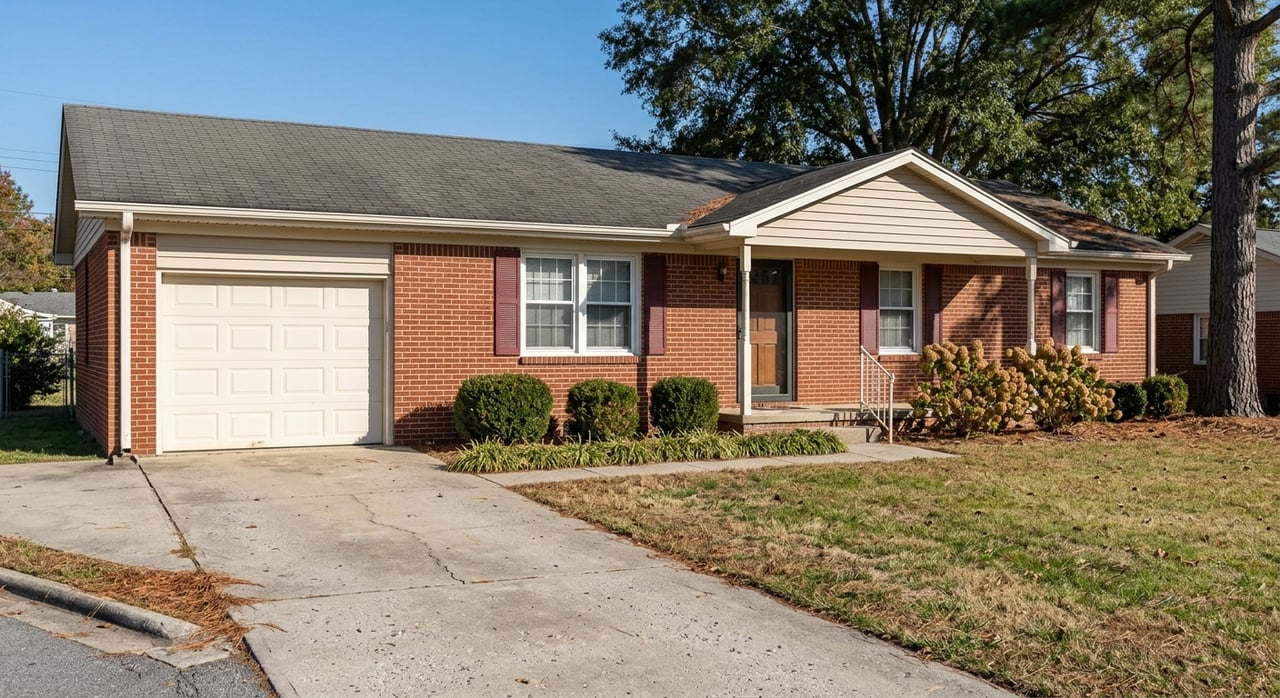
Not every Fayetteville subdivision offers the same type of home, even within the same general area. Fayetteville’s planning documents show that residential uses may include single-family detached, cluster, or attached housing.
That helps explain why one subdivision may feel spacious and spread out, while another feels more compact and connected. If you care about privacy, yard size, or the amount of exterior upkeep, this part of the comparison matters.
Lot standards can also vary sharply by zoning district. The city gives R22 as an example of a district with a 22,500-square-foot minimum lot size, while the Unified Development Ordinance shows some single-family detached, cluster, and attached districts with minimum lot sizes of 5,500 square feet and different setback and width rules.
Lot size affects more than curb appeal. It can influence how close neighbors are, how much outdoor space you have, and what the overall subdivision feels like when you drive through it.
If you are deciding between an established neighborhood and a newer one, home age can also shape your experience. Fayette County issued 323 building permits in 2024, which reinforces that the broader market includes both established and newer communities.
When you tour, look at the subdivision as a whole instead of only the house itself. Pay attention to lot spacing, driveway layout, yard depth, and whether the neighborhood matches the lifestyle you want.
Flood risk is another detail that can vary from one area to another. Some portions of Fayetteville are in FEMA special flood hazard areas, and the city notes that lenders may require flood insurance even when it is not required by law.
This is worth checking before you get too far into the process. A home’s flood-zone status can affect insurance costs, financing questions, and your comfort level with the property.
As part of your subdivision review, ask:
These questions are especially helpful when two subdivisions seem similar on paper. The better fit is often the one with fewer surprises.
HOA communities can be a great fit, but you want to know the rules before you commit. In Georgia, the Attorney General’s guidance explains that homeowners associations are private entities and are not subject to the Open Records Act or the Open Meetings Act.
The same guidance says that if an association is subject to the Georgia Condominium Act or the Property Owners’ Association Act, owners can request comprehensive reports on affairs, finances, and budget projects at the annual board meeting. Governing documents may also provide access to financial records.
For you as a buyer, the takeaway is simple: ask for the governing documents early. That is the best way to understand dues, restrictions, and the overall expectations of ownership.
Before choosing a subdivision, ask for clear answers to these questions:
A neighborhood may look perfect at first glance, but the HOA structure can change whether it feels like the right fit for your goals.
Amenities matter, but not always in the same way for every buyer. Some people want neighborhood amenities on-site. Others care more about how close they are to public spaces, trails, downtown events, or a quieter setting.
Fayetteville offers several public amenities that can shape your decision. City Center Park opened in July 2021 and includes walking paths, a playground, a splash pad, a dog park, and the Great Lawn.
The Ridge Nature Area adds a different kind of lifestyle option. It is a 308-acre park with many miles of well-marked trails for hiking and mountain biking.
Downtown Fayetteville’s Main Street district is also part of the picture. It is a historic downtown area with community events, and the city’s Downtown Master Plan emphasizes park and amenity space, traffic flow, and pedestrian safety.
When you compare subdivisions, ask yourself how you want daily life to feel. You may prefer a smaller-lot neighborhood with stronger HOA amenities, or you may value being close to parks, trails, and downtown activity more than on-site features.
Neither choice is better across the board. The goal is matching the neighborhood to how you actually live.
If you want to stay focused while touring, use a short checklist for every address you consider. This makes it easier to compare homes fairly and spot differences that online photos do not show.
Here are some of the most useful questions to bring with you:
The right Fayetteville subdivision is not always the one with the newest house or the biggest entrance sign. It is the one that fits your priorities when you look closely at jurisdiction, school assignment, lot standards, flood risk, HOA structure, and lifestyle.
That kind of side-by-side comparison is where local guidance really helps. When you know which questions to ask and which details to verify by address, you can move forward with much more confidence.
If you want a steady local perspective as you compare Fayetteville neighborhoods, Cindy Horsley is here to help you sort through the details and find the right fit for your next move.

We are committed to providing exceptional service and guiding you through every step of your real estate journey. Whether you're buying, selling, or investing, our experienced team offers personalized support tailored to your unique needs.
22 PARKS AVE NEWNAN GA 30263