Selling and Buying a Home in Newnan at the Same Time
June 11, 2026
June 11, 2026
Trying to line up two closings at once can feel like a puzzle with moving pieces. If you are selling your current home and buying your next one in Newnan, you need a plan that protects your timing, your budget, and your peace of mind. The good news is that with the right strategy, you can reduce surprises and move with more confidence. Let’s dive in.
In Newnan, the market is active, but it is not so fast that you should expect your home to sell overnight. Recent market trackers show a median sale price around $347,820 over a three-month period ending in April 2026, while another source reports a median listing price of $419,900, about 56 days on market, and a 99% sale-to-list ratio in March 2026. Those numbers point to a market where homes are moving, but buyers still have time to compare options.
For you, that means a same-time sale and purchase usually works best as a planned timeline instead of a last-minute scramble. Georgia ConsumerEd says existing-home contracts typically close in 30 to 90 days, and new construction can take longer. Once you add the listing period, contract period, and moving logistics together, the full process can easily stretch across several months.
The best order depends on your finances and how much overlap you can handle. If you need equity from your current home for your next purchase, selling first or negotiating around your sale timeline may give you more control. If you have enough flexibility for temporary overlap, you may be able to shop and prepare both sides at once.
Georgia ConsumerEd says preapproval is based on a lender’s review of your credit history and income, and some sellers or agents may require a preapproval letter. CFPB also notes that you can shop for homes and loan options at the same time. In practical terms, preapproval helps you understand what is possible before you commit to a strategy.
Selling first can make sense if:
Buying first can make sense if:
When you are buying and selling at the same time, contingencies can create a safety net. These are contract terms that spell out what must happen before the deal moves forward. In a multi-step move, they can be especially important because one closing often depends on the other.
Georgia ConsumerEd says a financing contingency gives you a way out if you cannot get a mortgage. Inspection and appraisal protections also matter because they help you avoid getting stuck in a deal that no longer fits your budget or timeline.
This gives you time to secure your loan. If financing falls through under the terms of the contract, this contingency may let you cancel without moving forward.
CFPB says that if a contract is contingent on a satisfactory inspection, you can cancel without penalty if the inspection is not acceptable to you. This matters when you cannot afford a major surprise right before your sale or purchase closes.
An appraisal contingency helps protect you if the home value comes in below the purchase price. That can be important when your loan amount and cash plan are already tied closely to the sale of your current home.
A title contingency allows time to confirm clear ownership and identify possible liens or legal issues. It is one more way to avoid delays late in the process.
This gives you time to sell your current home before closing on the next one. It can be useful if you need your current home to sell before you can fully move forward.
This applies when your current home is already under contract, but you still need that sale to actually close before the next closing happens. That distinction matters because a signed contract is not the same as completed closing.
If a seller accepts a home-sale or home-close contingency, they may still want to keep showing the property. They may also use a kick-out clause, which allows them to act if a stronger non-contingent offer appears. If you are buying with a contingency, you need to understand those timelines clearly from the start.
Sometimes the cleanest solution is to close on your current home first, then stay there for a short period after closing. This is often called a rent-back. It can give you extra time if your next purchase is close, but not quite ready.
According to the research, sellers may request to remain in the home after closing for a negotiated period, with rental compensation and a firm move-out date. For some Newnan homeowners, this can be the bridge that keeps the move from becoming chaotic.
If your purchase and sale do not line up, bridge financing may be another option. CFPB regulations describe a temporary bridge loan as a loan with a term of 12 months or less, including one used to finance a new dwelling while the borrower plans to sell the current one within a year.
That does not mean it is right for everyone. It simply means there may be a financing tool available when timing is tight. If you are exploring this route, your lender can help you understand how it fits with your budget and sale timeline.
One of the biggest stress points in a same-time move is cash flow. Your earnest money, closing costs, and moving expenses can overlap even when you are expecting proceeds from your sale. If you do not prepare for that overlap, the process can feel much tighter than expected.
Georgia ConsumerEd says earnest money is typically held by a third party until closing. It also says buyers should expect closing costs of about 3% to 6% of the mortgage, with prorated taxes and utilities due at settlement. That is why a cash cushion matters so much.
A lot can happen between an accepted offer and a recorded deed. In Georgia, closing is not just one event. It is a series of steps that need to stay on track.
Georgia ConsumerEd says buyers should do a final walk-through before closing. Buyers should also expect prorated property taxes and utilities, and lenders may require homeowners insurance plus interest from the closing date until the first mortgage payment is due.
CFPB says buyers have three business days to review the Closing Disclosure. This is your chance to compare the final numbers, check fees, and catch mistakes before closing day. When you are coordinating two transactions, even a small error can create a larger delay.
In Georgia, the deed cannot be recorded until transfer tax is paid. The Georgia Department of Revenue says the tax is based on the sale price at $1 per $1,000 or fractional part of $1,000, plus 10 cents for each additional $100 or fractional part. The seller is liable unless the contract says otherwise.
In Coweta County, real estate records are maintained by the Superior Court Clerk in Newnan, and documents are recorded in the order received. For your move, that means price agreement, signed papers, transfer tax payment, and county recording are separate parts of the process. If one step gets delayed, your move can get delayed too.
The smoothest same-time moves usually start before your home hits the market. That gives you time to organize financing, discuss contingencies, and think through backup plans.
Here is a simple way to think about the process:
Even a well-planned move can hit a bump. An inspection can uncover repairs. An appraisal can come in low. A closing can shift because one document, one fee, or one recording step is not finished on time.
That is why flexibility matters. A strong plan often includes a backup option such as temporary housing, a rent-back, extra cash reserves, or enough time in the contract to respond if something changes.
A simultaneous move is not just about finding the right house or getting the right price. It is about coordinating timing, contract terms, lender deadlines, and county closing steps in a way that works for your real life. In a market like Newnan, where conditions are active but still balanced enough to require strategy, local knowledge can make the process feel much more manageable.
The Horsley Team takes a relationship-first approach rooted in Newnan and Coweta County. If you are trying to sell and buy at the same time, having steady communication and a practical plan can help you move forward with less stress and more confidence. When you are ready to talk through your options, connect with Cindy Horsley.
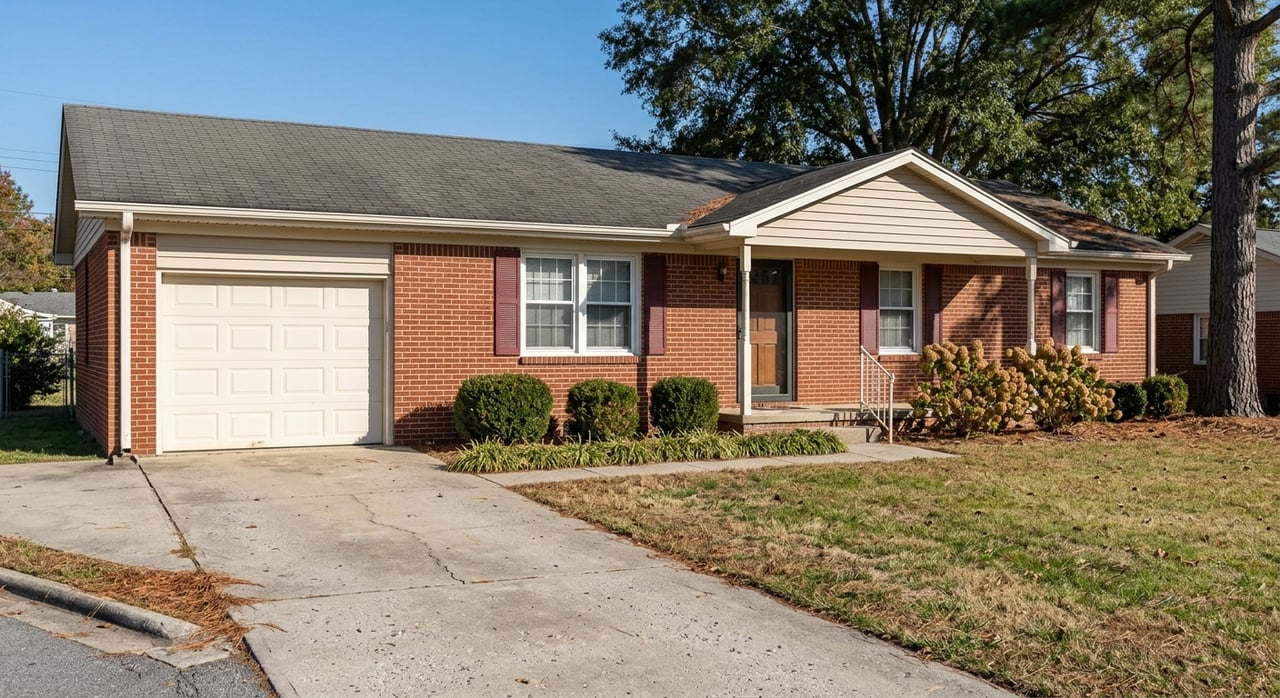
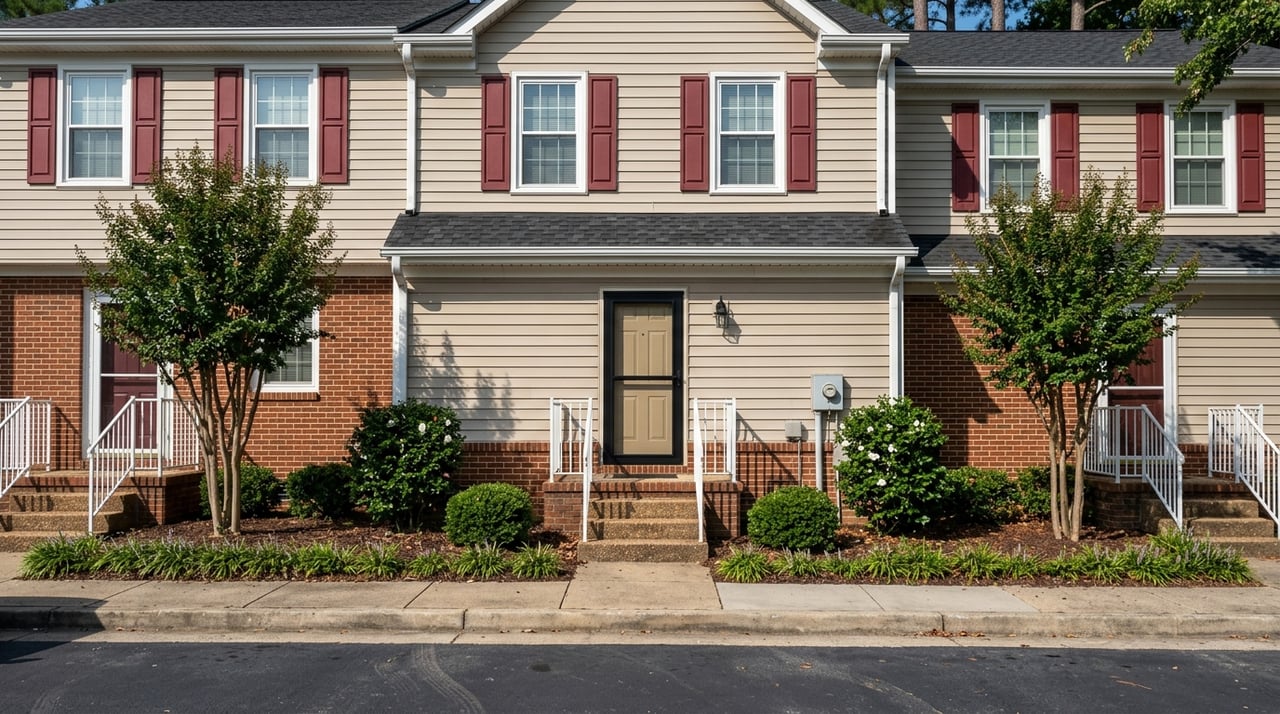

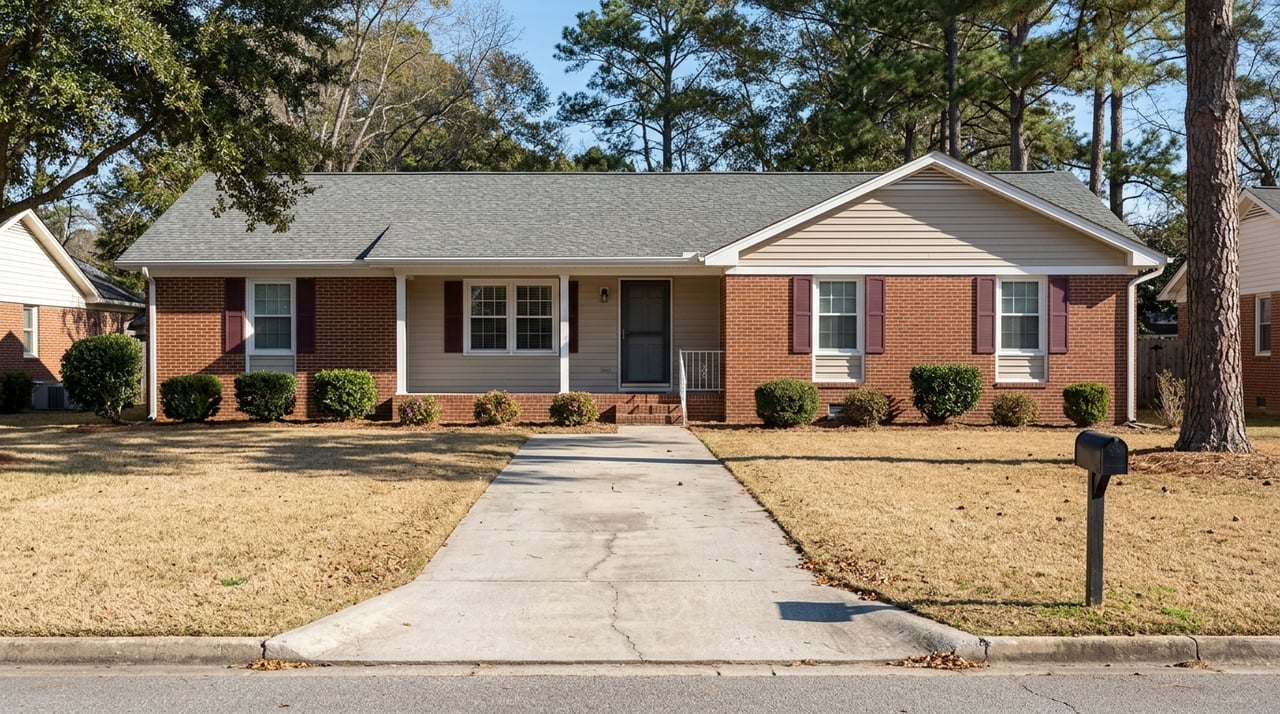
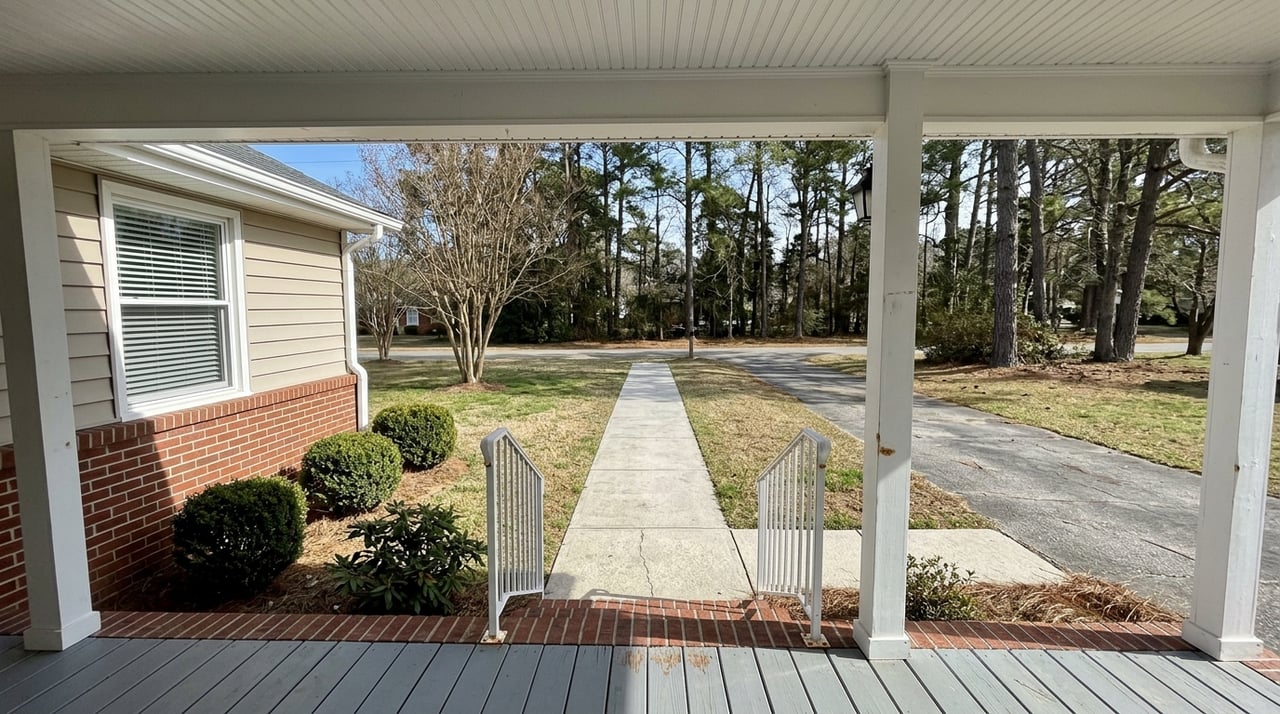
We are committed to providing exceptional service and guiding you through every step of your real estate journey. Whether you're buying, selling, or investing, our experienced team offers personalized support tailored to your unique needs.

22 PARKS AVE NEWNAN GA 30263