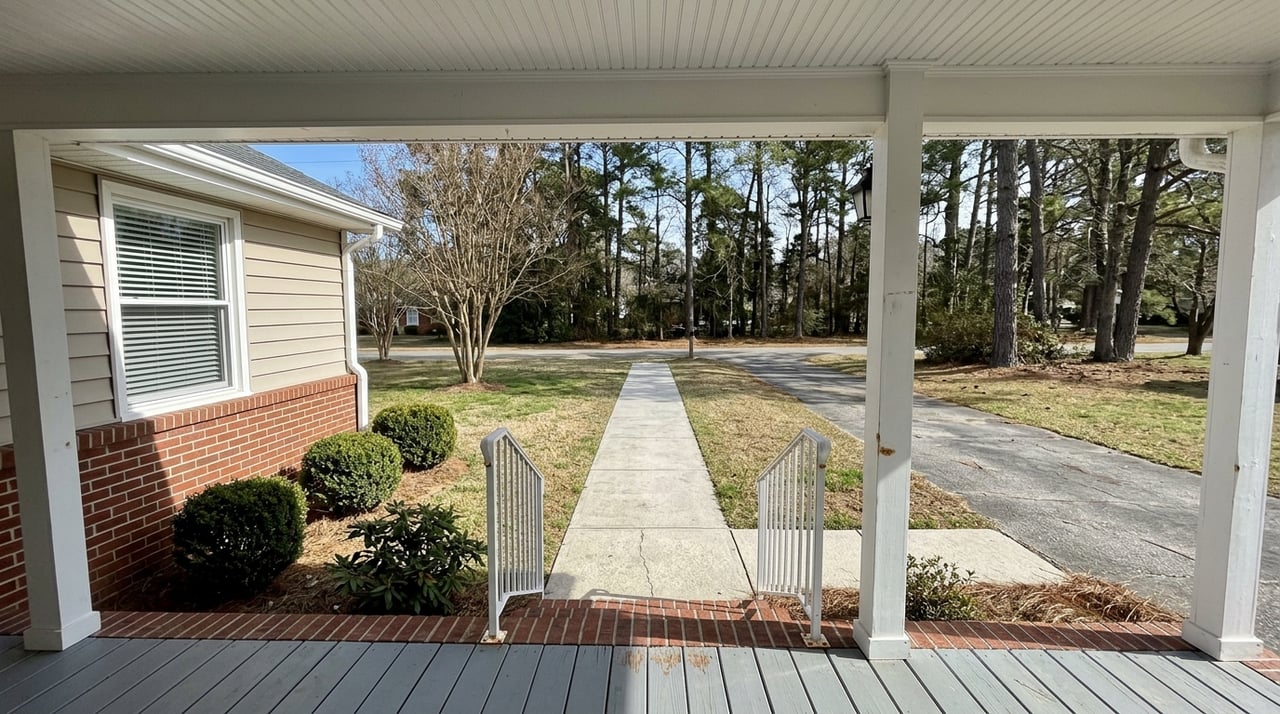
Is a Hogansville GA Rental Investment a Smart Move?
May 28, 2026
May 28, 2026
Thinking about buying a rental in Hogansville? It can be tempting. You get small-town West Georgia access, proximity to I-85, and home prices that may look more approachable than larger nearby markets. But before you buy, you need to know whether Hogansville offers the kind of rental demand, inventory, and long-term fit that matches your investment goals. Let’s dive in.
Hogansville is a small city in Troup County with 3,267 residents, 1,344 housing units, and 1,284 households. That size matters because it shapes everything from available inventory to rent comps to your future resale options.
This is not a deep, high-volume rental market. It is better understood as a thinner submarket with older housing stock, a smaller pool of comparable properties, and less exit liquidity than a larger nearby city like LaGrange.
Hogansville has a location story that makes sense on paper. The city sits along I-85 between Newnan and LaGrange, about 20 minutes from Newnan, 15 minutes from LaGrange shopping, and around 45 minutes from Hartsfield-Jackson Atlanta International Airport.
Local employment access also supports investor interest. According to the city’s real estate fact sheet, downtown supports about 550 jobs, the nearby industrial park supports hundreds more, and an Amazon sortation center is scheduled for 2027.
For a buy-and-hold investor, that kind of regional access can help support renter demand. It does not make Hogansville a major rental hub, but it does give the market a practical reason to stay on your radar.
One of the biggest things to understand about Hogansville is scale. Compared with LaGrange, which has 30,858 residents and 14,203 housing units, Hogansville is much smaller.
That usually means fewer active listings, fewer closed sales to compare, and less rental data. If you are used to underwriting in larger markets with easy access to comps and fast-moving inventory, Hogansville may feel thin.
That does not make it a bad market. It just means you need to be more conservative and more patient.
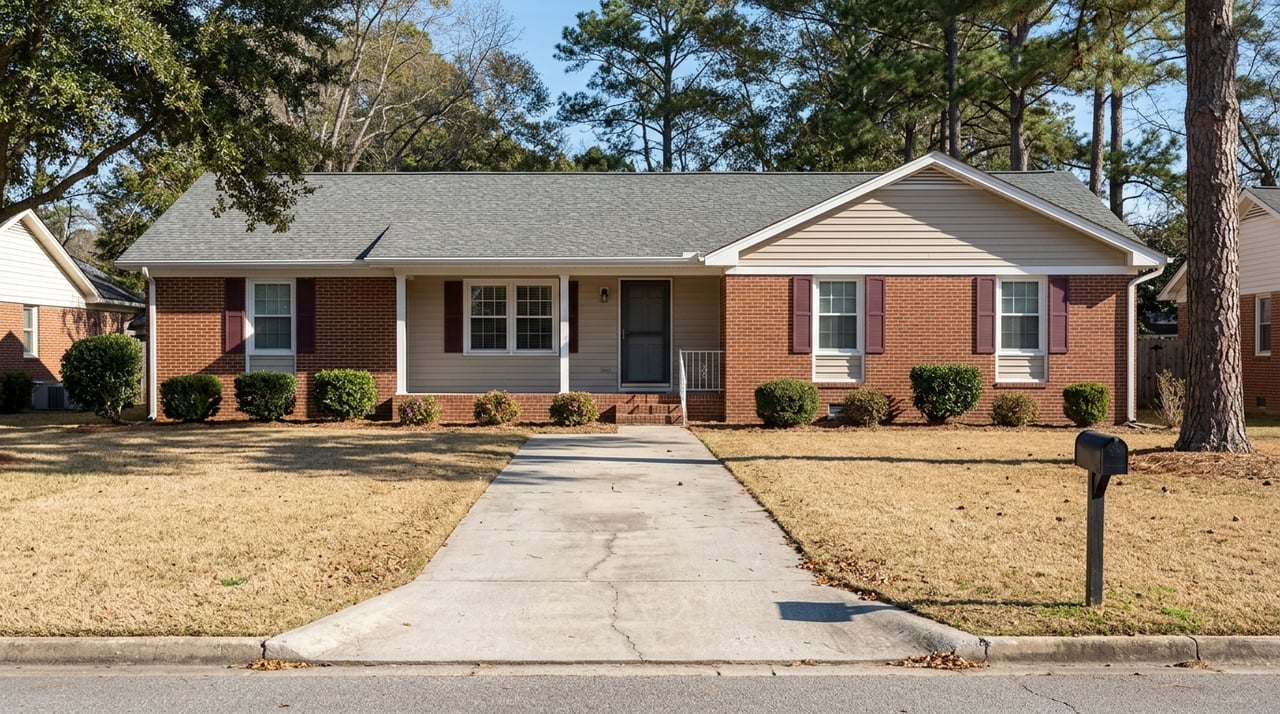
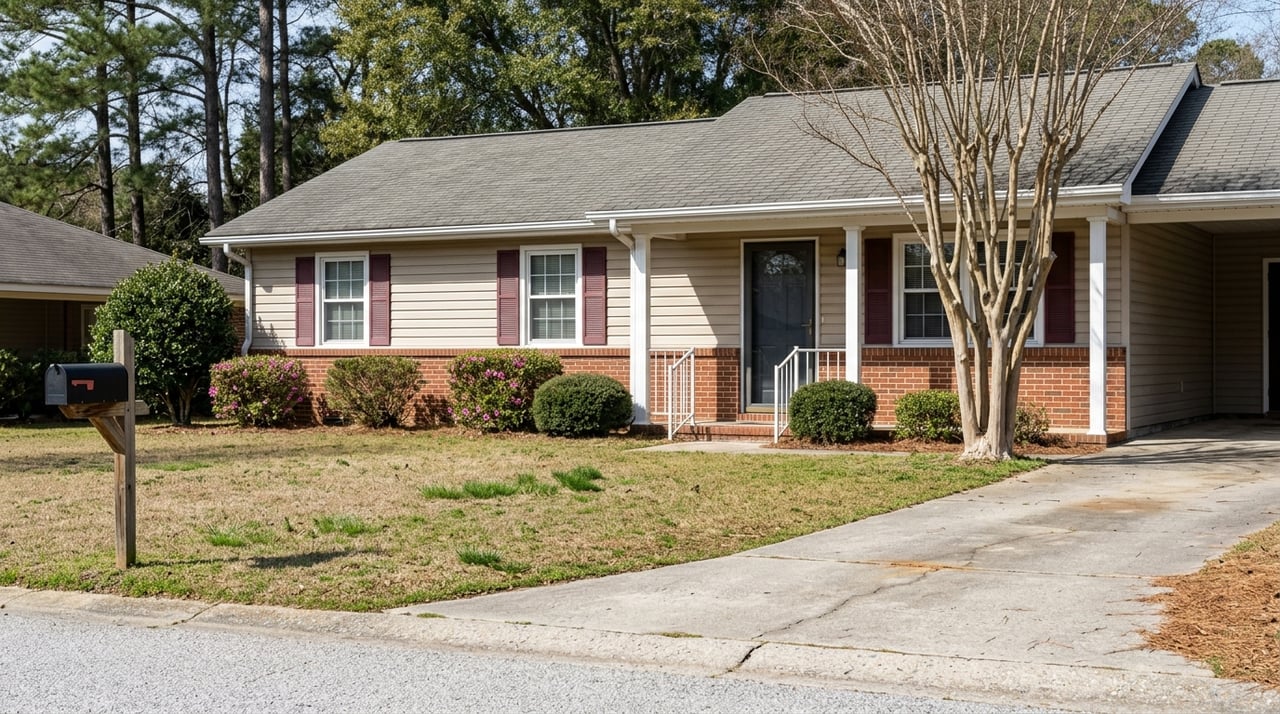
The strongest match in Hogansville appears to be detached single-family rentals. The city’s comprehensive plan shows that 91.4% of housing units were single-family, while only 8.6% were multi-family.
The same plan shows a housing mix dominated by family-sized layouts. About 60.2% of units had 3 bedrooms, and 26.1% had 2 bedrooms, which points to 2- and 3-bedroom single-family homes as the most natural buy-and-hold product in this market.
The plan also notes a need for quality affordable rental housing for large families, especially 3- and 4-bedroom units. That is not a guarantee of easy leasing, but it is a useful local signal about where demand may be more durable.
More than half of Hogansville’s housing stock was built before 1960. That gives the city a mix of historic downtown homes, mill-village houses and duplexes, and later subdivision development.
For investors, that can create opportunity. Older homes may offer value-add potential, lower entry pricing in some cases, or room to improve rents through updates.
But older homes also tend to come with more maintenance variables. Roof age, electrical systems, plumbing condition, windows, insulation, and deferred repairs can all change the real return on a property.
If you are looking at Hogansville, property condition matters just as much as purchase price. A cheaper house is not always a better investment if repair costs erase your margin.
Hogansville’s current numbers are useful, but they are not perfectly consistent across sources. Redfin reported a March 2026 median sale price of $267,990, while Zillow’s home value estimate for Hogansville was $211,521 and down 1.3% over the past year.
That gap is a reminder to avoid building a pro forma from one headline number. In a smaller market, source choice can materially affect your underwriting.
Rent data also varies. Zillow’s rental manager shows an average rental price of $1,450, while Zumper shows $1,200. HUD’s FY 2026 fair market rents for Troup County list $1,167 for a 2-bedroom, $1,459 for a 3-bedroom, and $1,781 for a 4-bedroom unit.
At the county level, the Census reports a median gross rent of $1,087 in Troup County. That is a helpful benchmark, but it likely lags current asking rents and should not replace current local rent comps.
Using the available pricing and rent figures as a basic screen, gross yield appears to land in a moderate range. On a $267,990 purchase price, the rough gross-yield screen comes out around 5.4% to 6.5%, depending on the rent assumption used.
Using Zillow’s $211,521 value estimate instead, that screen moves to about 6.8% to 8.3%. Those figures can help you compare opportunities at a high level, but they are only screening tools.
They do not include taxes, insurance, vacancy, repairs, capital expenditures, or property management. In a market with older homes and risk variation by property, those costs can make a major difference.
The short answer is that demand appears present, but supply is limited and the market is small. Based on the Census profile, Hogansville has 1,344 housing units and 1,284 households, which implies about 60 vacant units, or roughly 4.5% implied vacancy.
That supports the idea that supply is not abundant inside city limits. For landlords, limited supply can be helpful, but in a small market it also means each vacancy can matter more.
You may not have the same depth of renter pool that you would find in a larger city. That is one reason conservative rent assumptions and careful tenant screening become especially important.
Redfin describes Hogansville as somewhat competitive. At the same time, homes are not selling instantly.
The reported median days on market is 72, and homes sell for about 98.3% of list price on average. That suggests a market where you may have room to negotiate, but you should not count on a quick resale if your strategy changes.
In other words, Hogansville tends to look better for patient buy-and-hold investors than for anyone needing fast flips or a highly liquid exit.
One of the most important things to watch in Hogansville is future housing supply. The city’s fact sheet says 2,735 new housing units are in planning, design, or construction stages, and more than 2,500 acres are available near Lake Hogansville and I-85 Exit 28.
Troup County also recorded 402 building permits in 2024. That does not mean all planned units will deliver quickly, but it does mean future supply growth should be part of your underwriting.
If you are buying today based on tight current inventory, you need to think about what happens if more homes enter the market over the next few years. Rent growth and resale conditions could look different if supply expands meaningfully.
Another factor investors should not ignore is property-specific risk. Redfin’s risk layer flags moderate flood risk and major wind risk in Hogansville.
That does not mean every property carries the same exposure. It does mean you should review flood maps, insurance quotes, and site conditions before you commit.
In a deal that already has moderate yields, insurance and weather-related risk can have an outsized effect on cash flow. This is especially true if you are comparing older homes with very different construction and maintenance profiles.
For the right investor, yes. Hogansville can be a workable buy-and-hold niche if you want West Georgia exposure, prefer detached single-family rentals, and are comfortable underwriting a smaller market with older homes.
It may fit best if you are looking for 2- to 4-bedroom houses, are open to light rehab or value-add opportunities, and do not need a large pool of turnkey multifamily options. It also helps if you are comfortable being patient on both acquisition and eventual resale.
It may be a weaker fit if you want a deep, fast-moving market, highly consistent rent data, or lots of comparable sales. In that case, a larger nearby market may offer more clarity and more liquidity.
The key is not asking whether Hogansville is universally good or bad for rental investors. The better question is whether it matches your strategy, timeline, and risk tolerance.
If you want help evaluating a rental opportunity in Hogansville or comparing it with nearby West Georgia options, Cindy Horsley can help you think through the numbers, the property type, and the local market realities before you make a move.
We are committed to providing exceptional service and guiding you through every step of your real estate journey. Whether you're buying, selling, or investing, our experienced team offers personalized support tailored to your unique needs.
22 PARKS AVE NEWNAN GA 30263