Sharpsburg GA Commute to Atlanta: Daily Life and Housing
April 23, 2026
April 23, 2026
If you want more space at home without giving up access to Atlanta, Sharpsburg may already be on your radar. For many buyers, the appeal is simple: a small-town setting, detached homes, and a drive into the metro when work or travel calls. If you are weighing that tradeoff, this guide will help you understand what living in Sharpsburg with an Atlanta commute can really look like. Let’s dive in.
Sharpsburg is a small town in Coweta County with an official population of 341. Even with its small size, it sits within the broader Atlanta metro orbit thanks to key road connections through the county.
The main local corridors are SR 16, SR 54, and SR 154. Sharpsburg’s transportation plan identifies these as the town’s primary arterials, and SR 154 is especially important for commuters because it runs west toward I-85. Coweta County also notes that I-85 is the nearest interstate and that the county has five interchanges, which helps connect local drivers to the larger region.
If you are heading toward Atlanta, one of the clearest official route references comes from Coweta County Schools. Its directions from Atlanta to East Coweta schools say to take I-85 South to Exit 51 and then Highway 154 into Sharpsburg. That route gives buyers a practical picture of how the town connects to the interstate system.
Current route calculators estimate about 45 minutes from Sharpsburg to Atlanta and about 38 minutes to Hartsfield-Jackson Atlanta International Airport under typical traffic conditions. Those numbers can be useful for planning, but they are best treated as general drive estimates, not rush-hour guarantees.
That distinction matters. Metro Atlanta traffic can change quickly, especially during peak travel windows. The Georgia Express Lanes system exists to improve reliability on some of the region’s most congested interstate corridors, which tells you something important: commute times can vary quite a bit depending on when you leave.
For many buyers, that means Sharpsburg works best if you are comfortable driving and can live with some day-to-day flexibility. If your schedule allows you to avoid the heaviest rush periods, the location can feel much more manageable.
Sharpsburg is not a transit-first suburb. It is better understood as a small-town residential base with real road access to Atlanta.
That often makes it a strong fit if you want:
If you need rail access, highly walkable retail districts, or a short urban-style commute every day, Sharpsburg may feel too car-dependent. But if your priority is space and a more relaxed setting, the tradeoff may make sense.
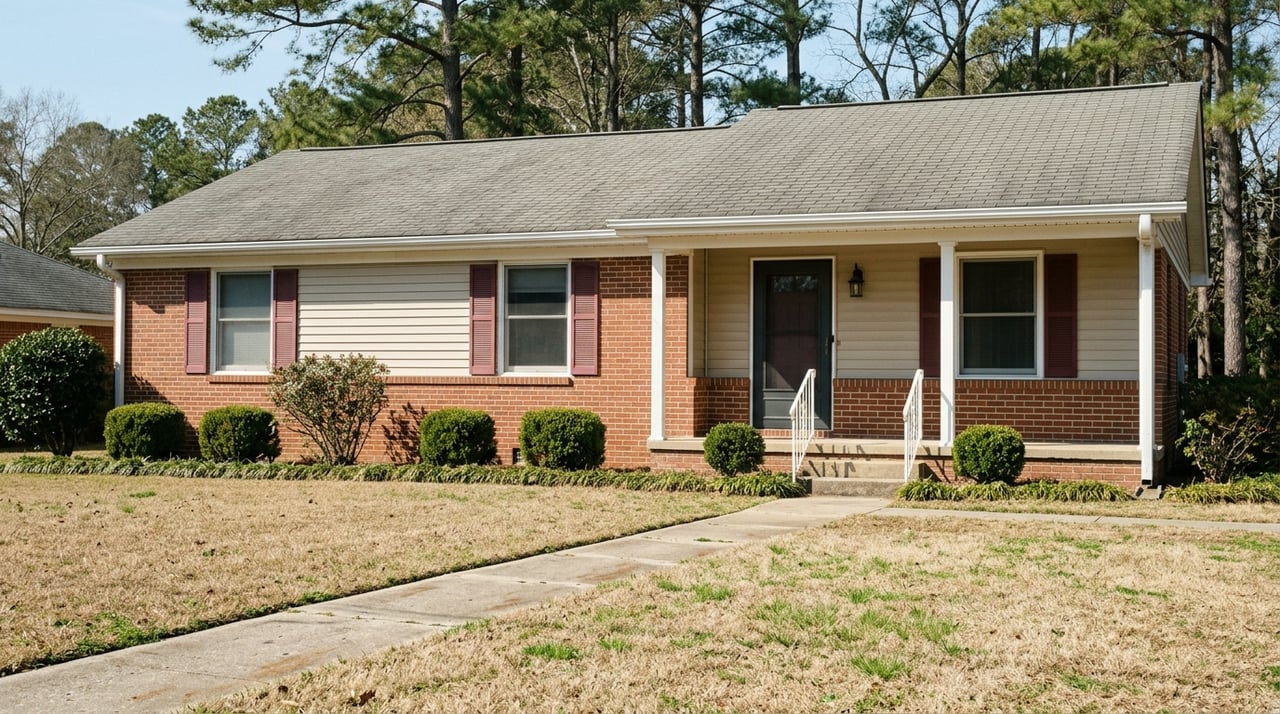
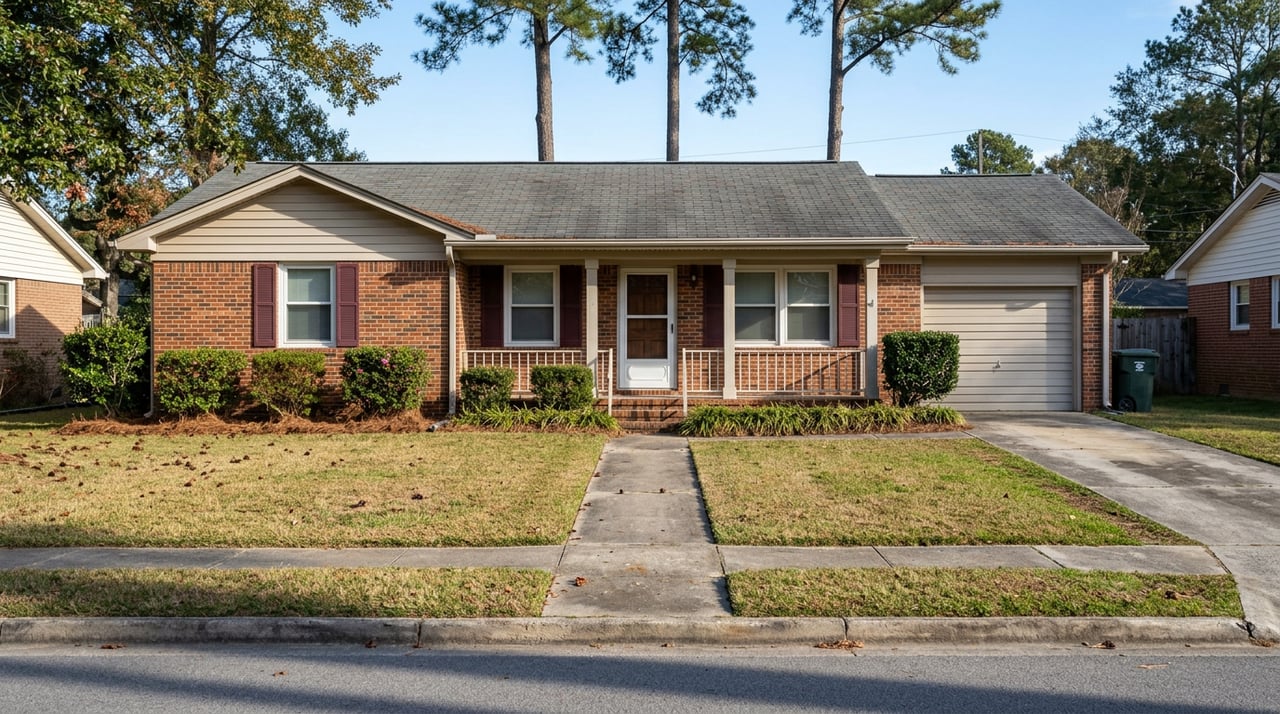
Sharpsburg’s housing profile lines up well with what many commuters are looking for. The town’s zoning remains focused on low-density residential districts, including R1 Rural Residential, R1A Single Family Residential, and R2 Single-Family Residential, according to the town zoning ordinance.
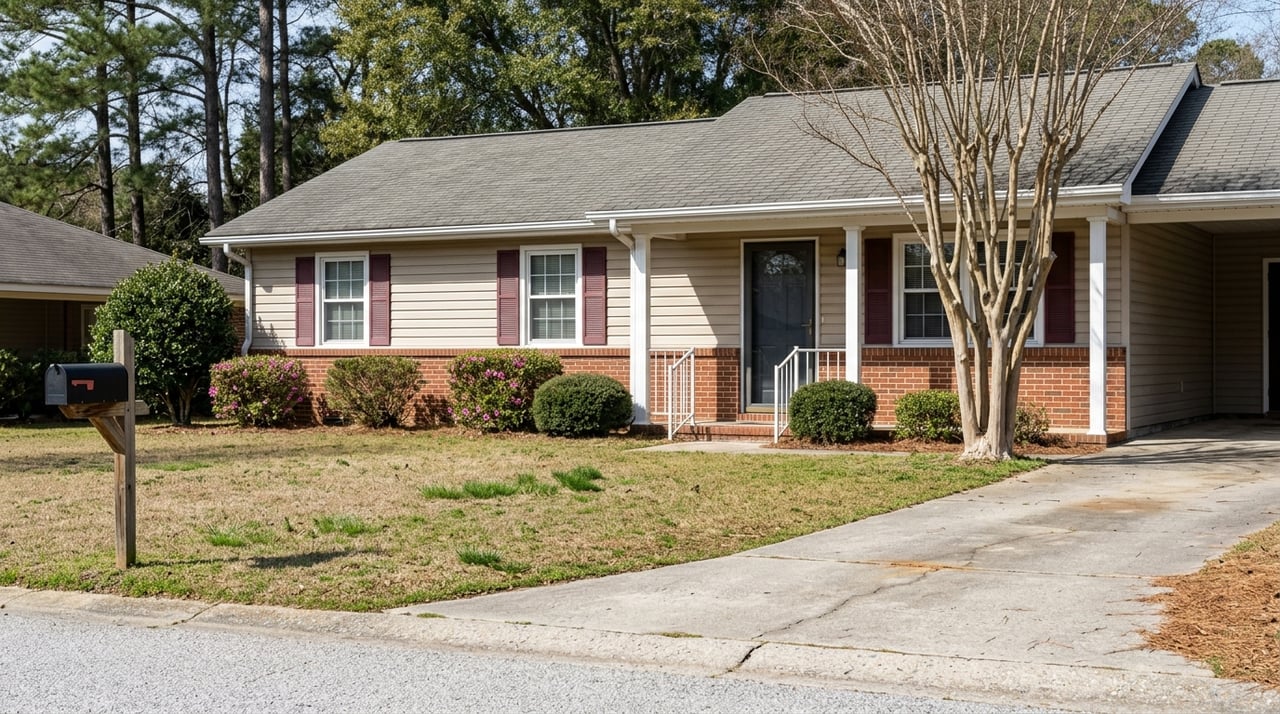
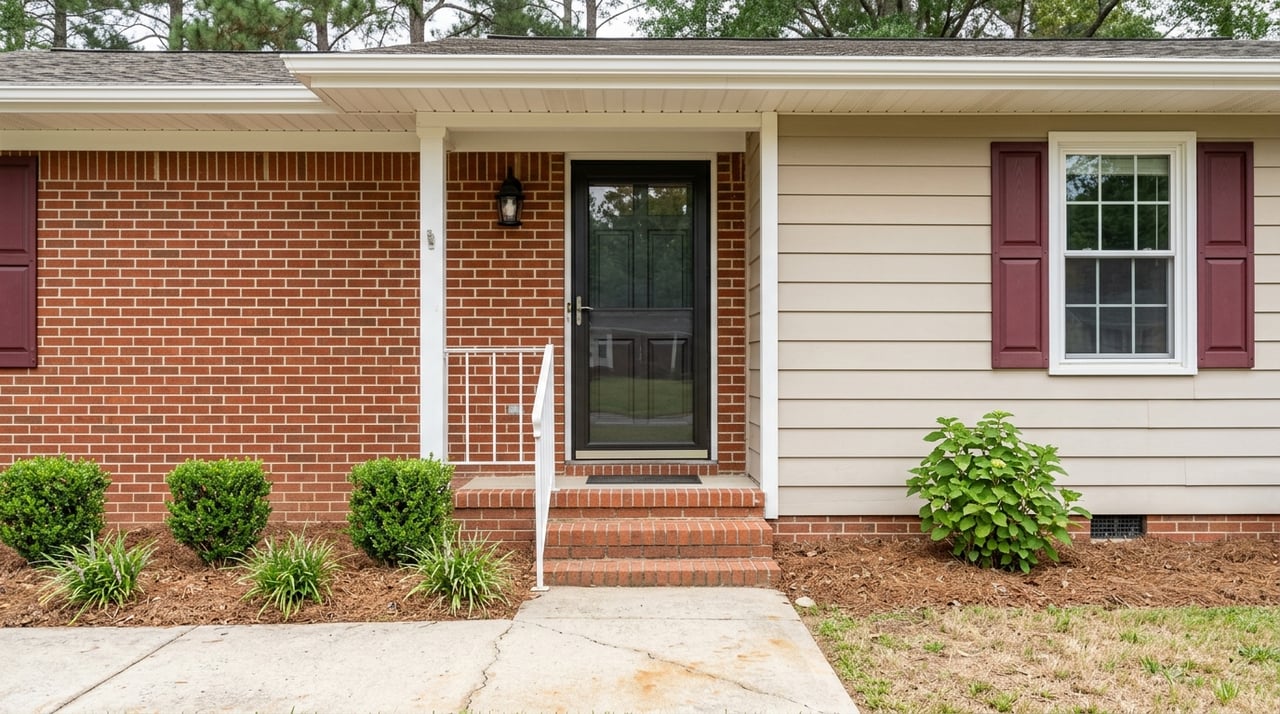
In plain terms, that means Sharpsburg is built around detached homes rather than dense condo or apartment inventory. NeighborhoodScout reports that 86.21% of housing units are single-family detached homes, 73.76% are owner-occupied, and 63.45% of homes have three or four bedrooms.
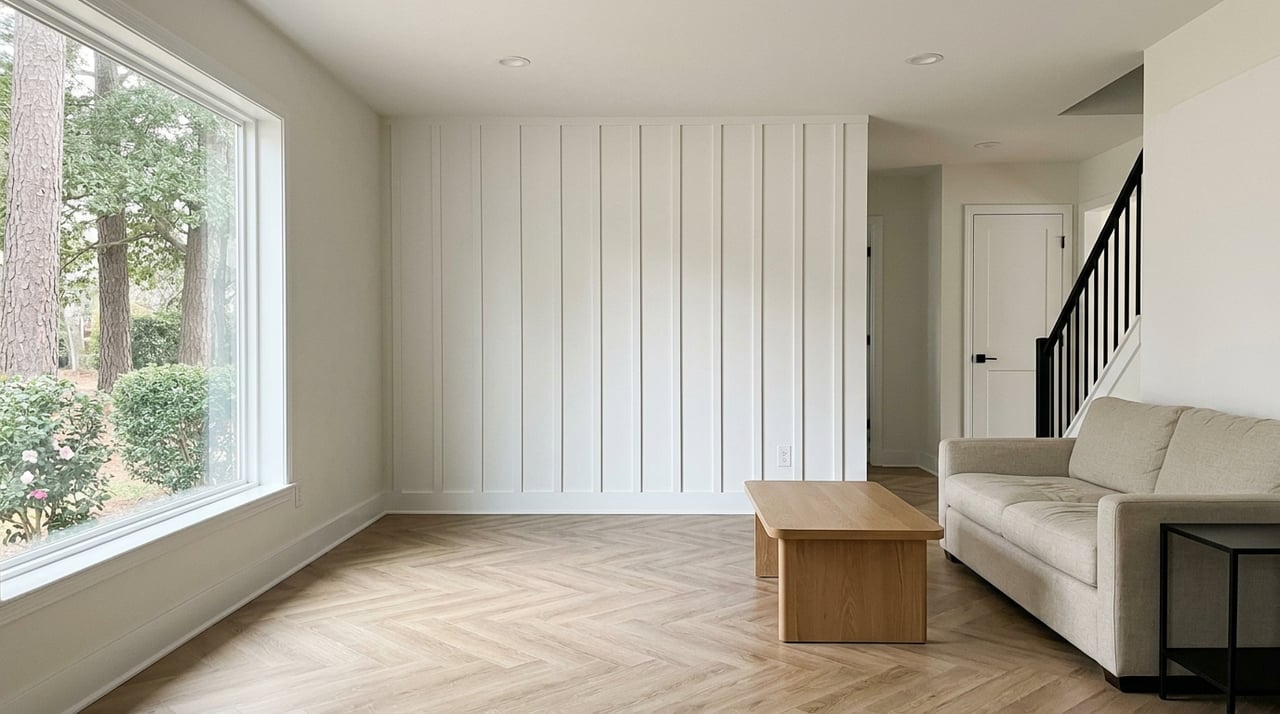
For buyers commuting to Atlanta, that housing mix can be a major advantage. You may find the kind of home that supports both work and home life, whether that means extra bedrooms, a home office, or more outdoor space.
Most of Sharpsburg’s homes were built between 1970 and 1999, with smaller shares built before 1939 and after 2000, according to NeighborhoodScout. That usually points to a housing stock made up of established neighborhoods and traditional single-family layouts.
You may see homes that offer practical floor plans and larger lots instead of the compact footprint you might expect closer to intown Atlanta. That can be especially appealing if you are relocating from a denser area and want more room to spread out.
NeighborhoodScout’s current estimate puts Sharpsburg’s median home value at $462,353 and its average market rent at $1,862 per month. These numbers are best viewed as market snapshots, not fixed pricing, but they do offer a helpful starting point if you are comparing Sharpsburg with other commute-friendly locations.
For a buyer, the bigger takeaway is not just price. It is product type. In Sharpsburg, the market leans toward the kind of residential setup many commuters actively want: detached homes, multiple bedrooms, and a more suburban or semi-rural feel.
One of the biggest questions commuters ask is what everyday life feels like once the workday ends. In Sharpsburg, the answer is practical and low-key.
The town’s business directory includes basics like gas and convenience stores, Dollar General, a bank, auto repair and tire services, veterinary services, tax prep, a coffee stand, a florist, and a restaurant/pub. That gives you access to many quick errands close to home.
At the same time, Sharpsburg is still a small-service center rather than a major shopping hub. For bigger retail runs or a broader range of services, you will likely still use the wider Coweta County and Newnan network.
In 2025, a Publix opened at Fischer Marketplace on Hwy 34 E in Sharpsburg with a full-service pharmacy and drive-thru pharmacy. For commuters, that is a meaningful convenience.
It allows you to handle groceries, prescriptions, and everyday household stops closer to home. That may not sound dramatic, but when you already spend part of your day on the road, saving time on local errands matters.
If your household is balancing work commutes with school schedules, local logistics matter just as much as drive time to Atlanta. Several Coweta County schools are located in Sharpsburg, including East Coweta High School at 400 Hwy 154 and Thomas Crossroads Elementary at 3530 Hwy 34 East.
For some buyers, that can simplify the weekly routine. Having school destinations in town may reduce the amount of extra driving tied to drop-off, pick-up, and after-school activities.
That does not eliminate the need for planning, especially in a commuter household. But it can make everyday scheduling more manageable if one adult is already traveling outside the area for work.
Most Atlanta commuters in Sharpsburg will rely on a personal vehicle. That is the reality of the location and one of the key tradeoffs to understand before you buy.
Coweta County does offer Coweta Connect, a curb-to-curb service available within the county Monday through Friday with next-day reservations and no fixed routes. It can be useful for local trips and mobility needs within Coweta County.
Still, it is not a substitute for commuting to Atlanta because the service is county-only. If your job depends on daily metro travel, you should plan around driving as your primary transportation option.
Sharpsburg tends to make the most sense for buyers who want a different pace at home than what they find closer to Atlanta. You are not choosing Sharpsburg because it behaves like the city. You are choosing it because it does not.
This town may be a strong fit if you value:
The main tradeoff is simple. You get space, privacy, and a quieter setting, but you also take on a driving-based lifestyle and occasional commute variability.
If you are seriously considering Sharpsburg, it helps to look beyond the map. A location can sound ideal on paper and still feel different once you test the routine.
Here are a few smart steps to take:
A local guide can help you connect those dots. That is especially valuable when you are relocating from outside Coweta County and want a realistic picture of both the housing options and the lifestyle.
If you are exploring Sharpsburg because you want more room without losing touch with Atlanta, Cindy Horsley can help you weigh the commute, compare neighborhoods, and find a home that fits the way you actually live.
We are committed to providing exceptional service and guiding you through every step of your real estate journey. Whether you're buying, selling, or investing, our experienced team offers personalized support tailored to your unique needs.
22 PARKS AVE NEWNAN GA 30263