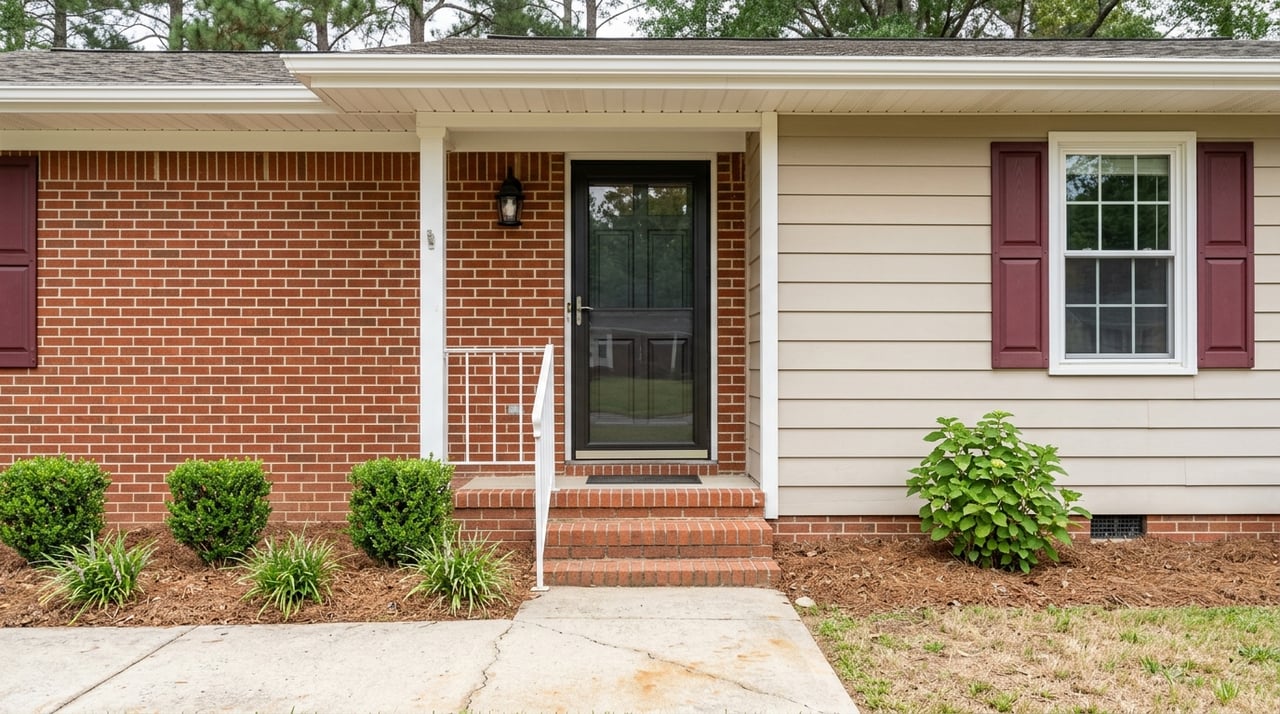
Newnan Home Selling Mistakes Every Seller Should Avoid
April 16, 2026
April 16, 2026
If your home sits too long in Newnan, buyers notice. In a market where homes are taking time to sell and many listings need price drops, the mistakes you make early can cost you attention, leverage, and money. The good news is that most seller missteps are avoidable when you know what to watch for. Let’s dive in.
Newnan sellers are not in a market where you can afford to “test” an unrealistic price or go live before the home is ready. Redfin’s Newnan market snapshot shows homes selling for a median of $327,900 and taking 76 days on market, while the rolling view shows many homes going pending in about 72 days and selling around 2% below list.
The wider county picture tells a similar story. Coweta County market data shows a 97.7% sale-to-list ratio, 96 days on market, and 27.8% of homes seeing price drops. That means buyers are paying attention to value, and your first few weeks on the market matter.
Overpricing is one of the most common ways sellers lose momentum. It may seem safer to start high and “leave room to negotiate,” but that strategy can backfire when buyers decide your home is not worth a showing.
According to NAR seller guidance, homes priced more than 3% above the correct price tend to take longer to sell. NAR also recommends that sellers consider lowering the asking price after 30 days without an offer.
In Newnan and Coweta County, this matters even more because buyers have options and many homes are already reducing price. When a listing starts too high, you can lose interest at the exact moment your home is newest and most visible.
The first loss is fewer showings. Buyers searching online compare your home with similar listings, and if your price looks off, they may skip it before they ever step inside.
The second loss comes later. If you cut the price after sitting on the market, buyers may wonder what is wrong with the home or expect even more negotiating room.
A smart pricing strategy should be grounded in current conditions, not wishful thinking. That means looking closely at comparable homes, nearby competition, and how buyers are responding right now.
Here are a few practical pricing habits that help:
Many sellers think buyers will “look past” minor issues. In reality, small signs of neglect can create doubt, especially online where buyers make fast decisions about which homes are worth seeing.
NAR’s 2025 staging research found that 83% of buyers’ agents said staging made it easier for buyers to visualize a home. The same research found that 81% of buyers rated listing photos as the most useful feature during their search, and 52% found the home they bought online.
That means prep is not about making your house perfect. It is about removing friction so buyers can picture themselves there and feel confident enough to schedule a showing.
You do not need a full renovation to make a better impression. NAR’s staging checklist points to simple but important issues that buyers notice, including minor repairs, carpet cleaning, depersonalizing, landscaping, paint touch-ups, curb appeal, and professional photos.
The same guidance notes that buyers often notice things like dirty air filters, wood rot, peeling paint, overstuffed closets, and highly personal decor. These details can make a home feel harder to maintain, even when the bigger systems are fine.
The goal is not to turn your home into a magazine spread. The goal is to protect your value by making sure obvious distractions do not pull buyers away from your home’s strengths.
Before your listing goes live, focus on improvements that help photos, showings, and first impressions:
Because so many buyers start online, poor visuals can limit your results before anyone books a tour. If your photos are dark, cluttered, or incomplete, buyers may assume the home itself is a problem.
This matters because buyers are highly digital. NAR buyer and seller research found that 51% of buyers found their home through an online search. If your home does not stand out there, you may lose your best audience early.
Good listing photos do more than make a home look nice. They help buyers understand the layout, see the condition clearly, and decide your home is worth seeing in person.
In a market where days on market can stretch, better visuals can help you generate faster interest and stronger early activity. That first wave of attention is often the most valuable part of your listing period.
Once your home is live, access matters. If buyers cannot see it when they are ready, they may move on to another listing.
NAR seller guidance says sellers who are more open to spur-of-the-moment showings tend to find buyers sooner. NAR also recommends getting your home market-ready at least two weeks before showings begin, which helps you stay flexible once the listing is active.
Buyers often search for weeks before making a decision. NAR reports a median home search of 10 weeks, and 23% of buyers found open houses very useful. If your showing windows are limited or your home is not ready when interest appears, you may miss qualified buyers who are actively comparing options.
A smoother showing plan can help by:
Some sellers think an agent’s job starts and ends with putting the home in the MLS. In reality, the right agent helps you make better decisions before, during, and after your home hits the market.
NAR’s 2025 profile found that 91% of sellers used a real estate agent, and sellers said the most important services included marketing the home, pricing competitively, and selling within a specific timeframe. The same report noted that for-sale-by-owner homes sold at a median of $360,000 compared with $425,000 for agent-assisted homes.
That does not mean every sale is the same. It does mean professional guidance can affect pricing, presentation, visibility, negotiation, and timing in ways that impact your bottom line.
A hands-on agent should help you coordinate the details that shape results, including:
For many sellers in Newnan, that kind of support is especially helpful in a market where pricing and presentation need to be right from the start.
Georgia sellers sometimes assume that if there is no formal statewide seller disclosure form requirement, they do not need to think much about disclosures. That is risky.
According to Nolo’s overview of Georgia seller disclosure rules, Georgia generally follows caveat emptor, but sellers still have obligations when they have special knowledge of defects that are not readily apparent to the buyer. Sellers also must answer direct questions honestly.
Disclosure issues can create problems late in the deal, especially after inspections or during buyer due diligence. Clear, honest communication can help reduce surprises and keep the transaction moving.
If you know about a material issue, it is smart to review it carefully with your real estate professional. That way, you can make informed decisions about how to address the issue, price the home appropriately, and respond to buyer questions.
The biggest seller mistakes usually happen before the first offer ever arrives. Overpricing, weak prep, poor photos, limited access, and unclear disclosure planning can all slow your sale and reduce your leverage.
If you want to sell with more confidence in Newnan, the key is simple: prepare early, price realistically, make the home easy to see, and work with a local professional who understands how Coweta County buyers are behaving right now. If you are thinking about selling, Cindy Horsley can help you build a practical plan that fits your home, your timing, and your goals.
We are committed to providing exceptional service and guiding you through every step of your real estate journey. Whether you're buying, selling, or investing, our experienced team offers personalized support tailored to your unique needs.

22 PARKS AVE NEWNAN GA 30263